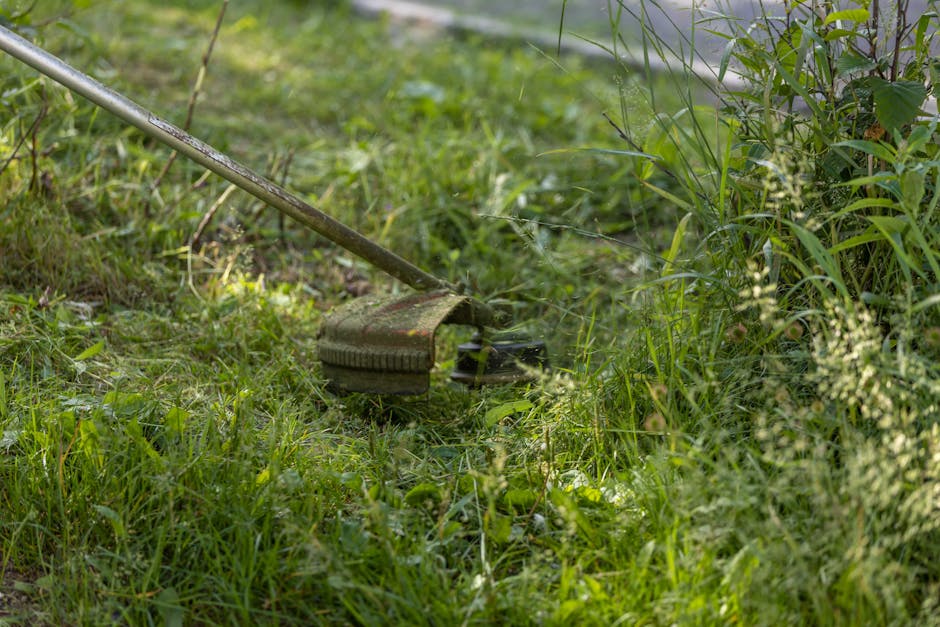
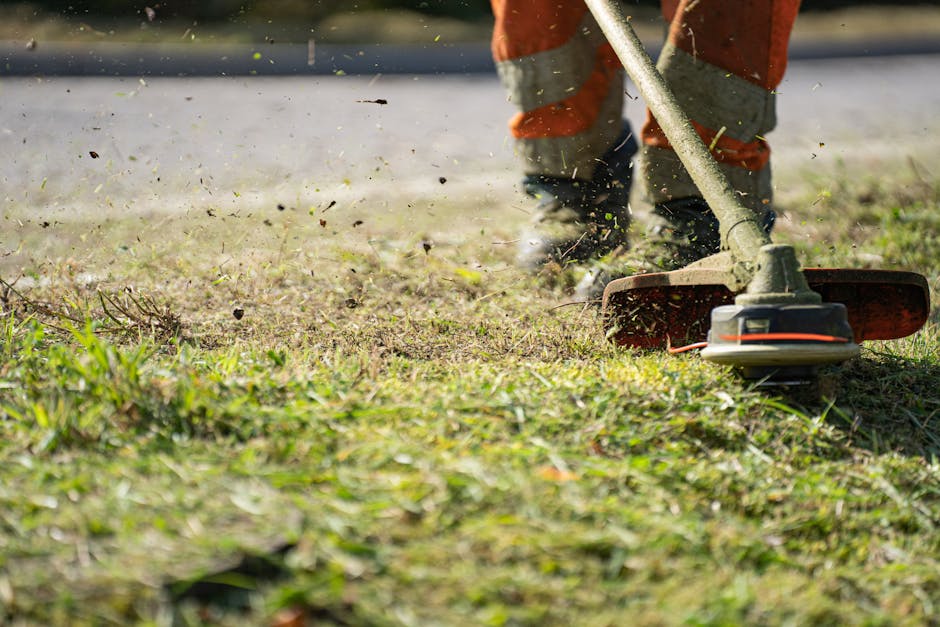
Guide to garden maintenance around Sutton station
If you live or work near Sutton station, you already know the rhythm of the area: busy mornings, smaller pockets of garden space, and the constant battle between weather, shade, foot traffic, and time. A tidy garden can make a terrace feel calmer, a front path feel safer, and a back space feel like somewhere you actually want to sit with a cup of tea. This guide to garden maintenance around Sutton station is designed to help you keep on top of the practical bits without turning it into a second job.
Whether you're managing a compact courtyard, a shared rental garden, or a family plot that gets neglected during the week, the same principles apply: regular cutting, sensible pruning, clear edges, healthy soil, and a plan that fits real life. Let's face it, gardens rarely go wrong all at once. They drift. A lawn gets shaggy, hedges creep out, leaves settle in corners, and suddenly the whole place feels a bit tired. The good news? That is usually fixable.
This article covers what maintenance involves, why it matters in a station-adjacent part of Sutton, how to approach it season by season, and when it makes sense to get extra help. You'll also find a checklist, a comparison table, and a straightforward FAQ at the end.
Why Guide to garden maintenance around Sutton station Matters
Garden maintenance around Sutton station matters for more than appearances. In a busy local area, gardens often sit close to pavements, boundary lines, side access routes, and neighbouring properties. That means growth can affect sightlines, damp can linger in shaded corners, and an untidy boundary can make an otherwise pleasant home feel a little neglected. It sounds small, but those details add up.
There's also a practical side. Regular maintenance reduces the chance of overgrown shrubs blocking windows, hedges spilling into paths, or lawns becoming patchy and weed-ridden. When a garden is cared for consistently, jobs stay manageable. When it's left too long, the work tends to snowball. You know the type of weekend where you think, "I'll just do a quick tidy," and then three hours later you've discovered a jungle behind the shed.
For landlords, managing agents, and homeowners alike, good maintenance also supports safer access. Wet leaves, low branches, trailing stems, and mossy paving can all become nuisance issues. In station areas, where people come and go at all hours, a clear and tidy outdoor space feels reassuring and polished. That matters if you're trying to maintain property value, present a rental well, or simply enjoy your own place without the constant visual clutter.
If your garden needs more than routine tidying, it may help to combine maintenance with a broader service plan. A structured approach through garden maintenance services can keep the workload sensible, while related work such as lawn mowing, hedge trimming, or garden clearance can deal with specific problem areas before they get out of hand.
Practical takeaway: the best garden is not the one that gets the biggest makeover once a year. It's the one that gets looked after often enough that nothing becomes a drama.
How Guide to garden maintenance around Sutton station Works
At its simplest, garden maintenance is the routine care that keeps a garden healthy, tidy, and usable. Near Sutton station, that usually means working with the realities of compact plots, fence lines, shaded areas, and gardens that may only be accessible through narrow side passages or shared gates. Not glamorous, but very normal.
A proper maintenance routine usually includes grass cutting, edging, weed control, hedge trimming, pruning, leaf collection, border tidying, and checks for drainage or plant stress. If you have decking, hard surfaces, or a patio, sweeping and clearing algae or debris may also form part of the job. For more structural outdoor updates, some people later add landscaping work or decking services, but maintenance is the bit that keeps everything looking cared for in the meantime.
The work can be seasonal or ongoing. Seasonal maintenance handles the obvious changes in spring, summer, autumn, and winter. Ongoing maintenance means a regular visit every one to four weeks, depending on growth rate and use. In practice, that rhythm is often shaped by three things: how much sun the garden gets, how much rain it holds, and how quickly the plants respond. A north-facing garden behind station-side housing can behave very differently from a sunny rear lawn. Same town, very different workload.
Maintenance also works best when it is planned. A quick once-over is fine for light upkeep, but a deeper visit usually helps if the garden has become cluttered, if shrubs are encroaching, or if the lawn has thinned. That is where a broader service mix can matter. If there's debris, dumped waste, or years of neglected growth, a one-off clearance can reset the space before routine maintenance takes over again.
And yes, there is a difference between a garden that looks "neat enough" and one that is genuinely healthy. The healthy one is the one with airflow around plants, light reaching where it should, soil that's not constantly compacted, and growth managed before it becomes woody and difficult. That's the real aim.
Key Benefits and Practical Advantages
People often think of garden maintenance as a cosmetic service. It isn't only that. Done well, it has a string of practical benefits that make daily life easier.
- Better kerb appeal: front gardens and visible boundaries look cared for, which helps if you are selling, renting, or simply want the property to feel welcoming.
- Healthier planting: regular pruning, feeding, and weed control support stronger growth and fewer plant losses.
- Safer access: clear paths, trimmed edges, and tidy boundaries reduce trip hazards and awkward overgrowth.
- Less stress later: small weekly jobs are far easier than a full-day rescue mission after months of neglect.
- Better use of outdoor space: gardens feel larger and more usable when the borders are controlled and the lawn is under control.
- Cleaner presentation for visitors or tenants: a tidy garden gives a strong first impression with very little fuss.
There's also a less obvious benefit: maintenance helps you notice problems early. A patch of yellowing lawn, a leaning branch, or a wet corner near a drain can all be spotted before they become expensive. In the middle of summer, that early observation can save a lot of grief. In winter, it can prevent a minor issue turning into a slippery, muddy mess.
If you want a service provider that pays attention to these small details, it is worth looking at the company background too. A page like about us can tell you how a team approaches the work, while services overview helps you understand what is available beyond a single visit.
Who This Is For and When It Makes Sense
This kind of maintenance is useful for a wide range of people, but the reasons vary.
Homeowners often want a garden that feels manageable, not exhausting. If you're juggling work, travel, children, or just a hectic week, regular upkeep can stop the outdoor space becoming yet another task on the list.
Landlords and letting agents usually need consistency. Tenants may look after a garden well, or they may not. A regular maintenance plan can keep standards steady between tenancies, which is especially helpful for front gardens and shared access spaces.
Older residents or anyone with limited mobility may simply want the physical strain taken off their shoulders. Repeated bending, lifting, and ladder work can be tiring at the best of times, and not worth the risk if help is available.
Busy commuters near Sutton station often need an approach that works around real schedules. If you only have an hour at home in daylight, a professional visit can make far more sense than trying to catch up in a rush on a Sunday afternoon.
It also makes sense when your garden is showing the same warning signs over and over: weeds returning quickly, lawn edges fraying, hedges growing unevenly, or drainage problems after rain. If you are seeing the same mess every fortnight, the system needs changing. Not you. The system.
Some gardens also need specialist attention. Tall hedges, awkward trees, or overgrown boundary plants may call for tree lopping and removal or more detailed pruning, while a tired, overcrowded outdoor area may benefit from landscape gardening to improve layout and long-term function.
Step-by-Step Guidance
If you want a practical way to approach garden maintenance around Sutton station, start with the basics and build from there.
- Walk the garden slowly. Look at the lawn, borders, paths, fences, sheds, and any side access. Notice what feels crowded, damp, messy, or unsafe.
- Separate routine jobs from one-off jobs. Routine tasks include cutting, edging, sweeping, and weeding. One-off tasks might include clearance, hedge reduction, or sorting out a neglected corner.
- Prioritise safety and access first. Clear paths, remove obvious hazards, and make sure gates, steps, and entrances are usable before anything cosmetic.
- Tackle growth in the right order. Start with hedges and shrubs, then move to lawn care, then borders and finishing touches. That way you're not redoing work.
- Dispose of waste properly. Green waste can build up fast. Bagging, composting, or arranging disposal early keeps the garden from becoming a holding pen for clippings and branches.
- Check what needs repeat attention. Some areas, such as shady borders or patchy lawns, may need regular review rather than a single tidy-up.
- Set a realistic schedule. Weekly, fortnightly, monthly - whatever fits the garden's growth and your availability. Consistency beats ambition every time.
A simple example: if the lawn is growing quickly in late spring, you may mow every week, trim edges every other visit, and do a deeper border clean once a month. In autumn, you may spend less time on mowing and more on leaf collection and clearing the build-up that gathers around fences and drains. Same garden, different job list.
For many households, it helps to combine maintenance with periodic tidying from garden clearance when the season changes or after a busy period. That sort of reset can make the rest of the year much easier, truth be told.
Expert Tips for Better Results
A few small habits make a big difference. These are the sorts of things that tend to separate a garden that merely survives from one that actually looks composed.
Cut little and often. It is usually better to trim hedges and mow lawns regularly than to let them run wild and then attack them hard. Overcutting can leave brown edges, weak regrowth, or an uneven finish.
Don't ignore the edges. Crisp lawn edges and clean borders change how a whole garden feels. Even a modest space looks more cared for when the edges are sharp. Funny how that works.
Watch drainage after rain. If water pools in the same spot every time, maintenance alone won't solve it forever. You may need to rethink soil levels, planting, or surface layout.
Keep tools sharp and clean. This matters more than people realise. Sharp blades give cleaner cuts on grass and hedges, which helps plants recover more neatly. Dirty tools also spread mess around the garden, which is nobody's favourite thing.
Don't overfill the garden with plants. A crowded planting scheme can look lovely at first, then turn into a tangle. Leave room for air, light, and access. Your future self will thank you.
Use maintenance to support design, not fight it. If a space is awkwardly arranged, constant maintenance may be masking a layout problem. That is where small upgrades through landscaping can be worth considering.
Keep a simple seasonal rhythm. Spring for fresh growth, summer for control, autumn for leaf and debris management, winter for structural checks. Nothing fancy. Just steady.
Common Mistakes to Avoid
Garden maintenance goes wrong in fairly predictable ways. The good part is that most of them are avoidable.
- Leaving jobs until everything is overgrown. This creates more waste, more time, and a rougher finish.
- Mowing too short. Scalping the lawn can stress the grass, especially in dry or changeable weather.
- Ignoring hedge boundaries. Overhang onto paths or neighbours' property usually becomes more awkward the longer it is left.
- Pruning at the wrong time. Some plants cope well; others really do not. If unsure, be cautious rather than aggressive.
- Forgetting waste management. A neat cut is only half the job if clippings and branches are left behind.
- Using the same routine all year. A garden in February needs different attention from one in July. It really does.
- Trying to solve structural problems with tidying alone. If paving is failing, soil is sinking, or water is pooling, maintenance will only go so far.
One common mistake near busy station areas is underestimating how quickly small mess builds up. A bit of leaf litter near a side path can turn into a slick mat in damp weather. A hedge can nudge outwards fast when nobody is watching it. The fix is usually simple, but only if you catch it early.
Tools, Resources and Recommendations
You do not need a garage full of kit to keep a garden tidy, but a few dependable tools help enormously.
- Hand shears or hedge trimmers: useful for tidy hedge lines and shaping shrubs.
- Lawn mower: choose one that suits the size of the lawn and your storage space.
- Edging tool: makes a surprisingly big difference to the look of borders and paths.
- Rake and leaf collector: essential in autumn and for clearing lightweight debris.
- Spade, fork, and hand trowel: for planting, weeding, and small border jobs.
- Wheelbarrow or trug: helps move clippings, soil, and waste without making a mess of the path.
- Gloves and sturdy footwear: basic, but worth mentioning because people forget.
If your garden is bigger, awkwardly shaped, or simply beyond what you want to manage yourself, it can help to compare service types before deciding what you actually need. A regular maintenance visit is not the same as a one-off tidy, and neither is the same as a full redesign. Reading the full services overview can help you separate those options without guesswork.
If you are looking for clarity on costs, schedules, or scope, a sensible next step is to review pricing and quotes so you know what kind of arrangement suits the garden and your budget. No drama, just planning.
Law, Compliance, Standards, or Best Practice
Garden maintenance is not usually a heavily regulated activity in the way some trades are, but there are still sensible standards and responsibilities to keep in mind. Near Sutton station, those often revolve around safety, waste handling, neighbourly boundaries, and avoiding damage to shared or adjacent property.
For example, anyone carrying out work should be careful around trip hazards, tools, ladders, and overhead branches. Professional services should also use sensible risk controls, especially when working with cutting equipment or lifting heavy waste. If you are hiring help, it is reasonable to ask how a team handles public safety, tool use, and site protection. Pages such as health and safety policy and insurance and safety give a clearer picture of how those matters are approached.
Waste handling matters too. Green waste, soil, old timber, and mixed garden debris should be separated and disposed of responsibly where possible. If sustainability is important to you, it is worth asking about reuse, recycling, and composting approaches. A committed provider should be able to explain how they think about recycling and sustainability in straightforward language.
There is also a simple but important courtesy issue: if a hedge, branch, or root work affects a boundary, it should be handled carefully and with common sense. No one enjoys awkward neighbour conversations. A measured, tidy approach usually keeps everyone happier.
Options, Methods, or Comparison Table
Different gardens need different levels of input. Here is a simple comparison to help you decide what suits your situation best.
| Approach | Best for | What it covers | Typical drawback |
|---|---|---|---|
| DIY upkeep | Small gardens, confident gardeners, light growth | Mowing, weeding, sweeping, light pruning | Can become time-consuming and physically tiring |
| Regular maintenance visit | Busy households, rental properties, medium gardens | Scheduled care, edging, hedge tidy, debris removal | Needs a clear scope so tasks do not drift |
| One-off rescue tidy | Overgrown or neglected spaces | Heavy cutting, clearance, waste removal, reset | Less effective if follow-up care is ignored |
| Maintenance plus landscaping | Gardens that need better layout or structure | Ongoing care alongside design or hard landscaping improvements | More planning required upfront |
For many people around Sutton station, the middle option is the sweet spot. Routine maintenance keeps things presentable, and occasional clearance stops bigger problems from building up. If a garden has structural issues, though, a combined approach is often smarter than repeated patch-ups.
Case Study or Real-World Example
Here's a realistic example. Imagine a small back garden close to Sutton station with a narrow side return, a patchy lawn, two hedges, and a border that has slowly filled with weeds. Nothing dramatic. Just the sort of space that feels fine from a distance and mildly annoying up close.
At first glance, the owner might think it only needs a quick mow. But once work starts, the picture becomes clearer: the hedge is leaning into the path, the lawn edges have disappeared, and the corner by the fence has collected dead leaves and old cuttings. If left like that, it will keep feeling messy no matter how often the lawn is cut.
The sensible fix is to break the job into stages. First, clear the debris and cut back the hedge. Next, mow and edge the lawn. Then weed and refresh the borders. Finally, set a repeat schedule so the garden does not slide back into the same state. That last part is the one people skip. And then they wonder why the garden always seems to need "a proper day on it."
In a case like that, routine garden maintenance is not about perfection. It is about restoring control and keeping it. Once the basics are back in order, the space feels bigger, cleaner, and far less draining to look after.
Practical Checklist
Use this as a simple working list before, during, or after a maintenance visit.
- Check the lawn for height, bare patches, and uneven edges.
- Inspect hedges and shrubs for overgrowth or uneven shape.
- Remove weeds from borders, paths, and fence lines.
- Clear leaves, twigs, and loose debris from hard surfaces.
- Look for pooling water or soggy areas after rain.
- Trim back anything blocking access, sightlines, or windows.
- Collect and dispose of green waste properly.
- Check fences, gates, and boundary areas for damage.
- Refresh mulch or soil where needed.
- Set a date for the next visit before the garden gets behind again.
If you only do one thing from this list, make it the regular schedule. A garden with a rhythm is so much easier to live with.
Conclusion
Good garden maintenance around Sutton station is really about consistency, not heroics. A tidy lawn, manageable hedges, clear paths, and healthy planting can transform a space without needing a huge redesign. Once the habits are in place, the garden stops feeling like a burden and starts feeling like part of the home again.
Whether you are maintaining a compact urban plot, keeping a rental presentable, or just trying to stay ahead of the weeds before they win, the key is to act before small issues become expensive or exhausting. A bit of regular attention goes a long way. And honestly, it's nicer to enjoy the garden than to wrestle with it every month.
Get a free quote today and see how much you can save.
If you are ready to make outdoor upkeep simpler and less stressful, explore the available support, compare the right level of care for your garden, and choose a routine that gives you back your weekends. Little by little, the place comes good.
Frequently Asked Questions
How often should garden maintenance be done near Sutton station?
That depends on the garden's size, planting, and how quickly things grow. Many gardens benefit from fortnightly or monthly maintenance during active growing periods, with lighter seasonal checks in winter.
What does a typical garden maintenance visit include?
It usually includes mowing, edging, weeding, hedge trimming, sweeping paths, and removing green waste. Some visits also cover border tidying, pruning, and checking for drainage or access issues.
Is garden maintenance different from garden clearance?
Yes. Garden maintenance is ongoing care to keep a garden in good condition, while garden clearance is usually a bigger reset for neglected, cluttered, or overgrown spaces.
Do small gardens near Sutton station still need regular upkeep?
Absolutely. Smaller gardens can look untidy very quickly because every weed, leaf, or uneven edge is more noticeable. They often need less time overall, but they still benefit from consistency.
Can maintenance help if my lawn is patchy or thin?
Yes, to a point. Proper mowing height, edging, feeding, and improved watering can help. If the damage is severe, a lawn repair or longer-term improvement plan may be needed as well.
What should I do before a maintenance team arrives?
Clear personal items, unlock access if needed, and point out any problem areas such as broken gates, fragile plants, or spots you want handled carefully. A quick walk-through at the start saves confusion later.
How do I know if I need hedge trimming as well as maintenance?
If your hedges are spilling onto paths, blocking light, or looking uneven, hedge trimming is probably needed. It is one of the most common add-ons to routine maintenance.
Is garden maintenance suitable for rental properties?
Yes. In fact, it is often one of the most useful ways to keep a rental presentable between tenancies or during long occupancy periods, especially for visible front gardens and shared access areas.
What happens if my garden has too much waste for a simple tidy?
If there is more debris than a routine visit can sensibly handle, a clearance-first approach is usually best. That gives you a clean starting point before normal maintenance begins.
Are there safety concerns with doing garden work myself?
There can be, especially with ladders, heavy lifting, sharp tools, uneven ground, or overgrown trees and hedges. If a job feels awkward or risky, it's sensible to get help rather than forcing it.
Can maintenance and landscaping be combined?
Yes. That often makes sense if the garden needs both regular care and some improvement to its structure, layout, or hard landscaping features. It can be a more efficient long-term approach.
How do I choose the right service level?
Start with the current state of the garden and the amount of time you want to spend on it yourself. Then decide whether you need ongoing care, a one-off reset, or a combination of maintenance and larger improvements.