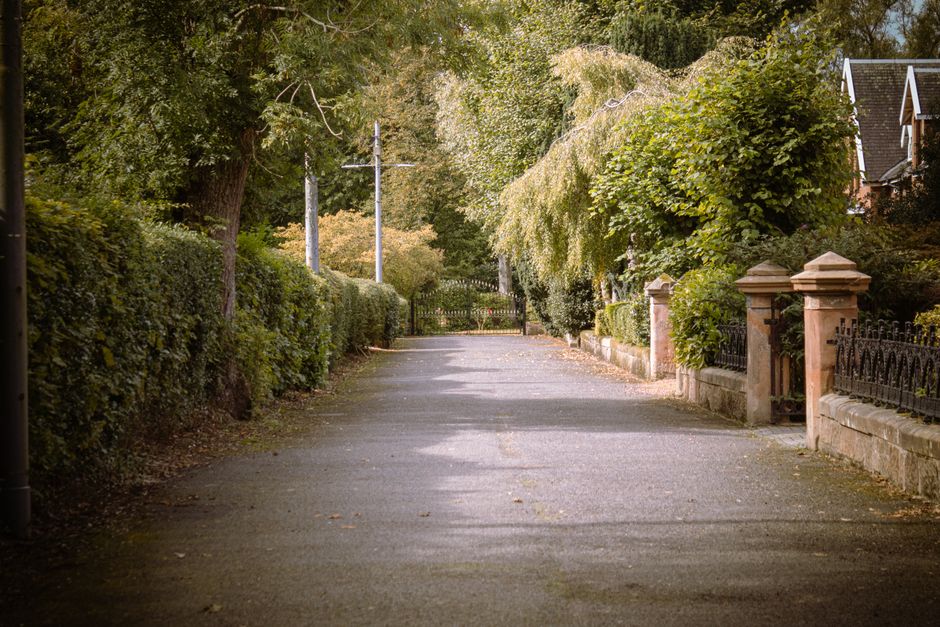
Common problems with driveway access for Sutton gardeners
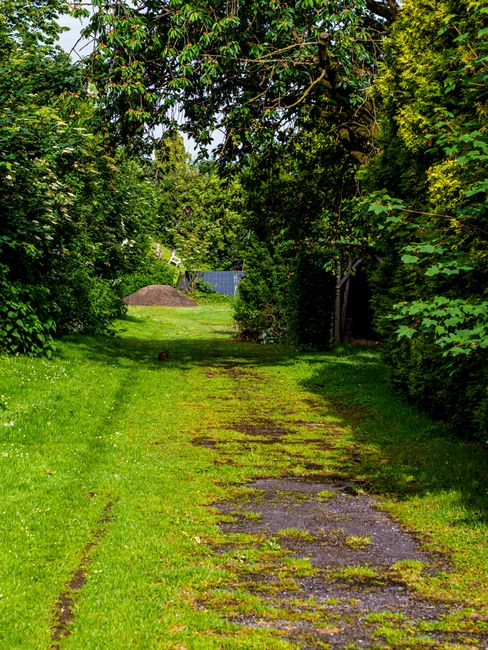
If you've ever tried to get tools, bags of compost, a mower, or a van onto a tight property in Sutton, you'll know driveway access can make a simple garden job feel oddly complicated. Common problems with driveway access for Sutton gardeners are not just about parking; they affect timing, safety, noise, customer convenience, and what can realistically be done in one visit. A clear access plan saves a lot of faff. It also avoids those awkward moments when a gardener arrives and realises the only sensible place to unload is half a street away.
This guide breaks down the everyday access issues that come up around Sutton homes, what they mean in practice, and how gardeners usually work around them. You'll find practical fixes, common mistakes to avoid, and a realistic checklist you can use before any job starts.
Why Common problems with driveway access for Sutton gardeners Matters
Driveway access sounds like a small detail until it becomes the thing that slows everything down. In Sutton, that might mean a narrow frontage, a shared drive, a steep approach, a low wall, or a car left in exactly the wrong place. Sometimes it's just tight. Sometimes it's tight and muddy. Lovely.
For gardeners, access affects how quickly they can unload equipment, move green waste, protect surfaces, and keep the job tidy. For homeowners, it affects privacy, kerb appeal, and whether a garden can be maintained with minimal disruption. If access is awkward, the team may need to park further away, make multiple trips, or use smaller tools instead of larger machinery.
That matters most on jobs such as regular garden maintenance, lawn mowing, hedge trimming, and larger one-off tasks like garden clearance. A quick conversation before the visit can prevent a surprising amount of disruption later.
Practical summary: driveway access is less about convenience and more about whether a garden service can be completed safely, efficiently, and with the right equipment. If access is poor, the work is still often possible, but it needs more planning.
There's also a trust angle here. A gardener who asks about access in advance is usually thinking ahead rather than winging it. That's a good sign. In our experience, the jobs that go most smoothly are the ones where the access conversation happened before anyone was standing at the gate scratching their head.
How Common problems with driveway access for Sutton gardeners Works
Most driveway access problems fall into a few familiar categories. The job is not just "can a van fit?" but "can the gardener arrive, unload, work, and leave without causing damage or delay?" That's the real question.
Narrow entrances and tight turning space
Some Sutton properties have driveways that look fine from the front, but the entrance narrows just where you need room to manoeuvre. A van may be able to stop outside, but reversing in or turning safely can be another matter. Gardeners then have to assess whether to unload from the road, wheel items through a side path, or bring smaller kit.
Shared driveways and neighbour parking
Shared access can be perfectly manageable, but only if everyone knows what's happening. The problem comes when another vehicle blocks the route, bins are left out, or there's no clear agreement on where trade vans can stop. It's not dramatic. Just annoying, and a bit time-consuming.
Steps, slopes, and level changes
Even when there is space, a steep drive or uneven surface can make moving wheelbarrows, bags, and machines more awkward. On wet days it becomes more than awkward. Slippery surfaces can increase the chance of trips, strains, or minor damage to paving.
Low gates, walls, and overhead clearance
Practical access isn't only about width. Low gates, close-hanging branches, wall-mounted lights, and overhanging canopies can make taller equipment difficult to move through. A hedge that has grown a touch too enthusiastic can also pinch the route. Happens all the time.
Surface sensitivity
Some driveways do not like heavy loads. Resin, block paving, older tarmac, gravel, and decorative edging all need care. Garden waste bags, wet soil, and wheelbarrows can mark or sink into softer surfaces if the route is not thought through.
This is why a gardener may ask for photos, a quick description, or a note about where to park. It is not fussiness. It is sensible planning.
Key Benefits and Practical Advantages
When driveway access is handled well, the benefits are immediate and pretty obvious. Everything feels calmer. Less time is wasted shuffling equipment around. The garden gets more attention, and less energy is spent dealing with logistics.
- Faster setup and pack-down: fewer trips between van and garden means more time spent actually working.
- Lower risk of damage: surfaces, gates, and planting beds are less likely to be scraped or crushed.
- Safer working conditions: less carrying over awkward distances reduces strain and trip hazards.
- Better customer experience: the property stays tidier, quieter, and less disrupted.
- More accurate quotes: if access is known in advance, pricing and scheduling can be more realistic.
There's a quieter benefit too: better access often means better outcomes. A team that can move freely can trim, clear, mow, and tidy with a cleaner finish. It sounds obvious, but it really does show in the final result.
For bigger projects, access also influences whether services such as landscape gardening, landscaping, or even decking services can be delivered in stages or need to be broken into smaller deliveries. That kind of detail is easy to overlook at first.
Who This Is For and When It Makes Sense
This topic matters to a fairly wide group of people. If you own a home in Sutton, manage a rental property, or look after an elderly relative's garden, driveway access is worth thinking about before any work is booked.
It makes particular sense if you have:
- a narrow frontage or a driveway shared with neighbours
- a car that is often parked on the drive during the day
- limited side access to the rear garden
- steps, gravel, soft ground, or steep gradients
- large amounts of waste to remove
- regular maintenance needs rather than one-off light tidying
It also matters if the work involves heavier or more awkward tasks, such as tree waste removal, stump-area clearance, or large hedge reductions. In those cases, access affects not just convenience but the whole working method. A team may need to use different tools, smaller loads, or a phased approach.
If you're unsure whether access is a real issue, the simple test is this: can someone move tools, green waste, and equipment to the working area without squeezing past cars, clipping walls, or crossing the property in a way that feels unsafe? If the answer is "sort of", there's probably some planning needed.
Step-by-Step Guidance
Here's a practical way to think through driveway access before any garden work begins. Nothing fancy. Just a method that avoids surprises.
- Walk the route from the street to the garden. Look at width, turning points, steps, gates, and surface condition. Notice where a wheelbarrow would struggle, not just where you would walk.
- Check what needs to come in and out. A light tidy-up needs very different access from a clearance job with sacks, tools, and bulky waste.
- Move vehicles if possible. If your own car blocks the drive, shifting it before the visit can make a huge difference. Honestly, this one solves more problems than people expect.
- Think about parking on the road. If the van can't enter safely, there may still be a sensible place nearby to stop and unload. Just make sure it won't obstruct neighbours or passing traffic.
- Protect delicate surfaces. For resin, gravel, or fresh paving, ask how the route can be used without leaving marks or ruts.
- Flag hazards early. Mention low branches, broken paving, loose edging, or a gate that sticks. Those tiny details matter.
- Agree the waste route. If green waste needs taking away, make sure there is a clear path to the disposal point or loading area.
- Confirm timing. Some access issues are easier to manage if the work starts at a quieter time of day.
A useful rule of thumb: if the access situation feels borderline, tell the gardener before arrival. Not on the driveway, not when the van is already parked awkwardly outside. Before. It saves everyone a bit of stress.
Expert Tips for Better Results
From a practical point of view, the best access plans are the boring ones. The ones where everything is checked and nothing dramatic happens. That's the dream, really.
Send a photo or two before the job
A couple of clear photos can tell an experienced gardener a lot: driveway width, slope, gate clearance, and whether there's room to unload. A photo taken from the road and another from inside the drive is often enough.
Measure the tightest point, not the widest
People tend to say, "The drive is plenty big," but the real issue is usually the tightest pinch point. Measure the narrowest entrance, the gate opening, or the sharpest bend. That is the part that decides what can move through safely.
Plan around weather
Wet leaves, rain, frost, or a muddy track can turn a manageable route into a slippery one. If the weather looks rough, access may still work, but the handling plan might need to change. A bit of patience helps.
Keep pathways clear
Bins, toys, hoses, plant pots, and bikes have a talent for appearing right where they should not. Clear the route before the team arrives, and you've already made the day easier.
Use the smallest practical equipment
Sometimes smaller tools are the answer. Not always ideal, but often safer and faster than trying to force larger machinery through a tight space.
And here's a simple one: if access is tricky, don't overcomplicate the rest of the job. Keep the route clear, keep instructions simple, and let the gardener decide the least awkward way through.
Common Mistakes to Avoid
A lot of access problems are avoidable. They happen because people assume the job will "probably be fine". Probably is not a plan.
- Leaving cars on the drive: this is the classic one. It blocks unloading and can push the whole visit back.
- Forgetting about side access width: the front drive may be fine while the route to the garden is not.
- Not mentioning low gates or overhangs: what seems minor to you can be a real obstacle for tools or waste bags.
- Assuming all surfaces are robust: gravel and soft paving need different handling from solid concrete.
- Waiting until arrival to raise access issues: by then, the practical options are more limited.
- Ignoring neighbour implications: if access is shared, a quick heads-up can prevent a tense doorstep moment.
One more thing people overlook: access issues can affect the quality of the quote. If a job will take longer because of poor access, that has to be factored in somewhere. The cleaner the brief, the fairer the estimate.
Tools, Resources and Recommendations
You do not need a specialist kit list for most driveway access issues, but a few basics make life easier.
- Measuring tape: useful for checking gate widths and narrow points.
- Phone camera: simple, quick, and usually enough to show the layout clearly.
- Wheelbarrow or transport trolley: helpful where materials need to move a short distance without damage.
- Gloves and sturdy footwear: especially if paths are uneven or waste needs carrying.
- Clear communication notes: a short written message about parking, gates, and access times can prevent confusion.
For homeowners who want ongoing support, regular garden maintenance is often the easiest way to keep access from becoming a recurring headache. If hedges are closing in or branches are starting to encroach, services like hedge trimming and tree lopping and removal can also help reopen routes and improve visibility.
If a garden has simply got out of hand, then a proper garden clearance can reset the space and make future visits much easier. Sometimes the most useful access solution is, frankly, removing the thing blocking the access in the first place.
Law, Compliance, Standards, or Best Practice
For ordinary garden work, driveway access is usually less about formal law and more about good practice, safety, and consideration for neighbours. That said, there are a few sensible standards worth keeping in mind.
Gardeners should avoid creating unnecessary obstruction on public roads, should take reasonable care not to damage property, and should work in a way that reduces trip hazards and manual-handling risk. In the UK, professional working practice also tends to include proper attention to liability cover, safe equipment use, and clear communication about site conditions. If you want to understand how a business approaches these basics, it is worth reviewing pages such as health and safety policy and insurance and safety.
For the homeowner, the practical side is simple: make sure access is truthful, safe, and realistic. If a drive is shared, blocked, fragile, or steep, say so. If a gate sticks, say so. If a path becomes slick when wet, say so. That kind of honesty prevents arguments later. Nothing fancy, just decent communication.
Where waste is involved, responsible handling matters too. Sorting, removing, and disposing of garden waste in a tidy, considerate way fits well with the approach outlined on recycling and sustainability. It's the sort of thing people may not notice when it goes well, but they definitely notice when it doesn't.
Options, Methods, or Comparison Table
There is more than one way to manage poor driveway access. The right option depends on the size of the job, the layout of the property, and how much equipment needs moving.
| Access method | Best for | Pros | Limitations |
|---|---|---|---|
| Van parks on drive | Wide entrances and clear routes | Fast unloading, easy supervision | Not possible on tight or blocked drives |
| Roadside unloading | Short jobs, light tools | Flexible and often convenient | May require extra carrying and careful parking |
| Smaller equipment only | Awkward entrances or delicate surfaces | Reduces damage risk | Can slow work on larger jobs |
| Phased removal | Clearance jobs and bulky waste | Improves safety and organisation | Takes more time and planning |
| Pre-arranged access window | Shared drives or neighbour-sensitive properties | Less disruption, fewer conflicts | Needs clear coordination in advance |
To be fair, there is no universal winner here. A neat little front garden with no parking issue may be best served by direct driveway access. A cluttered shared property, on the other hand, may work better with a staged approach and lighter tools. The art is in choosing the least awkward method, not the fanciest one.
Case Study or Real-World Example
Imagine a Sutton semi where the front drive is technically available, but one family car usually sits on it until late morning. The side gate is narrow, the path is a bit uneven, and the hedge has crept out just enough to make things feel tighter than they look from the pavement.
A gardener arrives to carry out mowing, border tidying, and waste removal. If nobody mentioned the parking, the van ends up stopping outside the property while the team carries tools in by hand. It still works, but the setup takes longer. The wheelbarrow has to be angled carefully through the side route, and every movement needs a second look because the paving is slick after an overnight shower.
Now imagine the same job with a bit of advance planning. The car is moved an hour before arrival. A couple of photos have already shown the side gate is awkward. The gardener brings lighter kit, parks with unloading in mind, and keeps the route clear. The visit is calmer, quicker, and less noisy. Not glamorous. Just efficient.
That is usually what good driveway access management looks like in real life. No drama, no heroics, no one balancing a hedge trimmer like a circus act. Just a smoother day all round.
Practical Checklist
Use this checklist before booking or starting work:
- Is the driveway wide enough for a van, or should parking be roadside?
- Will any cars, bins, or obstacles need moving before the visit?
- Are there low gates, steps, slopes, or narrow side passages?
- Is the surface delicate, gravelly, muddy, or likely to mark?
- Do hedges, branches, or walls reduce clearance anywhere?
- Is access shared with a neighbour or another household?
- Will there be a lot of waste to remove?
- Have you sent photos or clear notes if the layout is awkward?
- Have you agreed where the gardener should park and unload?
- Is there anything that changes access in bad weather?
If you can answer those points clearly, you are in a much stronger position. And if you can't, that's fine too - it just means the access needs a little more thought before the work starts.
Get a free quote today and see how much you can save.
Conclusion
Driveway access is one of those unglamorous garden details that makes a huge difference once someone starts working. In Sutton, where properties can vary a lot from one street to the next, the difference between an easy visit and a frustrating one is often just a matter of preparation. A clear drive, a few photos, honest measurements, and a sensible parking plan can save time, reduce stress, and help the job finish properly.
If you are planning regular upkeep, a clearance, or a bigger garden project, it's worth treating access as part of the job brief rather than an afterthought. That small bit of planning tends to pay for itself in smoother work and fewer surprises. Simple, really. But very useful.
And if the access looks awkward, don't panic. It usually just means the job needs a smarter approach, not that it can't be done.
Frequently Asked Questions
What are the most common driveway access problems for gardeners in Sutton?
The most common issues are blocked drives, narrow entrances, shared access, steep slopes, low gates, and surfaces that are hard to protect or easy to damage. These can slow down unloading and make garden work less efficient.
Why does driveway access matter so much for garden maintenance?
Because access affects how quickly tools, waste, and equipment can be moved. Good access usually means less carrying, less risk of damage, and a smoother visit overall.
Can a gardener still work if the driveway is too narrow for a van?
Usually yes, but the method may change. The team may park nearby, use smaller equipment, or move materials in stages. It can still be perfectly workable, just a bit more involved.
Should I move my car before the gardener arrives?
Yes, if possible. Moving your car before the visit is one of the easiest ways to improve access and avoid delays. It can make a bigger difference than people expect.
Is it better to send photos of the driveway before booking?
Definitely. Photos help a gardener judge width, slope, gate clearance, and surface condition. They are especially useful if the layout is awkward or if you are unsure how tight it really is.
What if my driveway is shared with a neighbour?
Shared driveways are common and manageable, but they need a little coordination. Make sure everyone knows when work is happening and where vehicles or waste will be placed.
Will poor access make garden work more expensive?
It can, because the job may take longer or require more labour. That said, pricing depends on the exact conditions, so the fairest approach is to describe the access clearly when asking for a quote.
What surfaces need the most care?
Gravel, resin, soft paving, and older surfaces usually need more attention than solid concrete. Wet or sloping surfaces can also become tricky, especially when carrying heavy bags or using wheelbarrows.
Can hedge growth or tree growth affect driveway access?
Yes. Overgrown hedges and low branches can reduce clearance and make access harder over time. Services like hedge trimming and tree lopping and removal can help restore a safer, wider route.
What should I check before a garden clearance visit?
Check the route from the road to the waste loading point, any parking restrictions, and whether the drive can take repeated trips without damage. Clearance jobs often reveal access problems very quickly.
Do gardeners usually need access to the front and back of the property?
Not always, but it depends on the work. Mowing a front lawn may need only front access, while a full clearance or landscaping project may require reliable access to the rear garden as well.
What is the best way to deal with awkward driveway access long term?
The best approach is regular maintenance and honest communication. Keeping hedges cut back, pathways clear, and parking arrangements consistent makes future visits far easier. A little upkeep now saves a lot of hassle later.
For anyone comparing services, it can also help to review the company's wider approach on the services overview, learn more on the about us page, or check pricing and quotes if you are planning a job with awkward access. If you are ready to talk through your garden's layout, the contact page is the natural next step.